
Learn the best ways of planting cilantro from seed. Cilantro is such a great herb to use in the kitchen, and there are some important secrets you need to know to have the best success.
There are a few options when it comes to planting cilantro seeds, and this post will go through all of them.
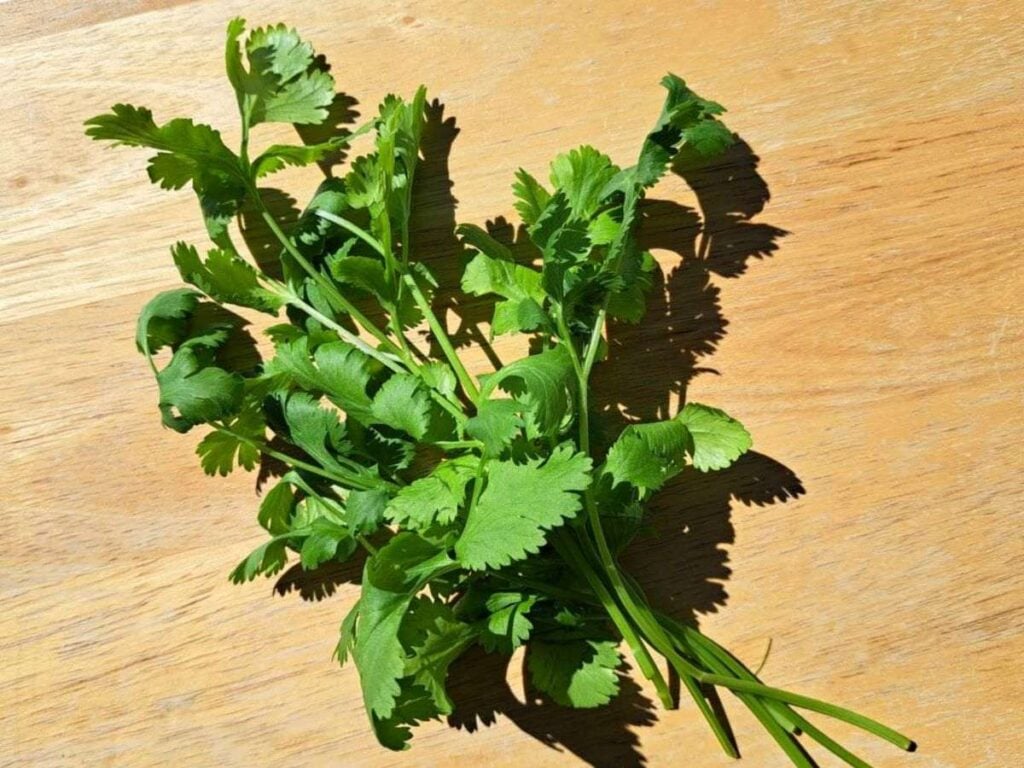
Cilantro (Coriandrum sativum) is an easy to grow annual herb.
Cilantro is the Spanish name for coriander. Here in North America, we call the leaves cilantro and the seeds coriander. Other places of the world just call the whole plant coriander.
Many of us grow cilantro for its leaves, so we can grow plants close together, and do not need to thin them out.
Cilantro is a member of the carrot family and therefore will require deeper soil as it develops a longer taproot like a carrot. Some people say you can not easily transplant cilantro because of this tap root. I have found that not to be the case.
This is because we do not grow cilantro for the root, and the leaves or not affected if you transplant young seedlings.
Cilantro is best grown in the early spring and fall as it does not do well in the heat. This is because when the weather warms up, your cilantro will bolt which just means going to flower or seed. This is the biggest problem most gardeners face when growing cilantro seeds… see more on that in the faq section below.
A bolting cilantro plant is great for pollinators or if you want to save seeds to plant more cilantro, or use the seeds (coriander) in your kitchen. But not so great if you are looking for fresh cilantro leaves.
Cilantro is best when you succession sow it and start seeds every few weeks throughout the growing season. This way you will always have new plants maturing with fresh leaves. With that being said, let’s get in to how to grow cilantro from seeds.
Table of Contents:
- Quick Reference to Grow Cilantro from Seed
- Benefits of Starting Cilantro from Seed
- Growing Cilantro from Seed Indoors
- Planting Cilantro Seeds Outdoors
- Winter Sow Cilantro Seeds
- FAQs
Quick REference to Grow Cilantro from Seed:
- planting depth: 1/2 inch (twice the seed width)
- days to germinate 7-10 days
- temperature: 65-70 degrees F
- sun to partial shade
- benefits from soaking seed overnight before planting, and or gently rolling over seeds with a rolling pin to crack the outer seed coat
Benefits of Starting Cilantro from Seed:
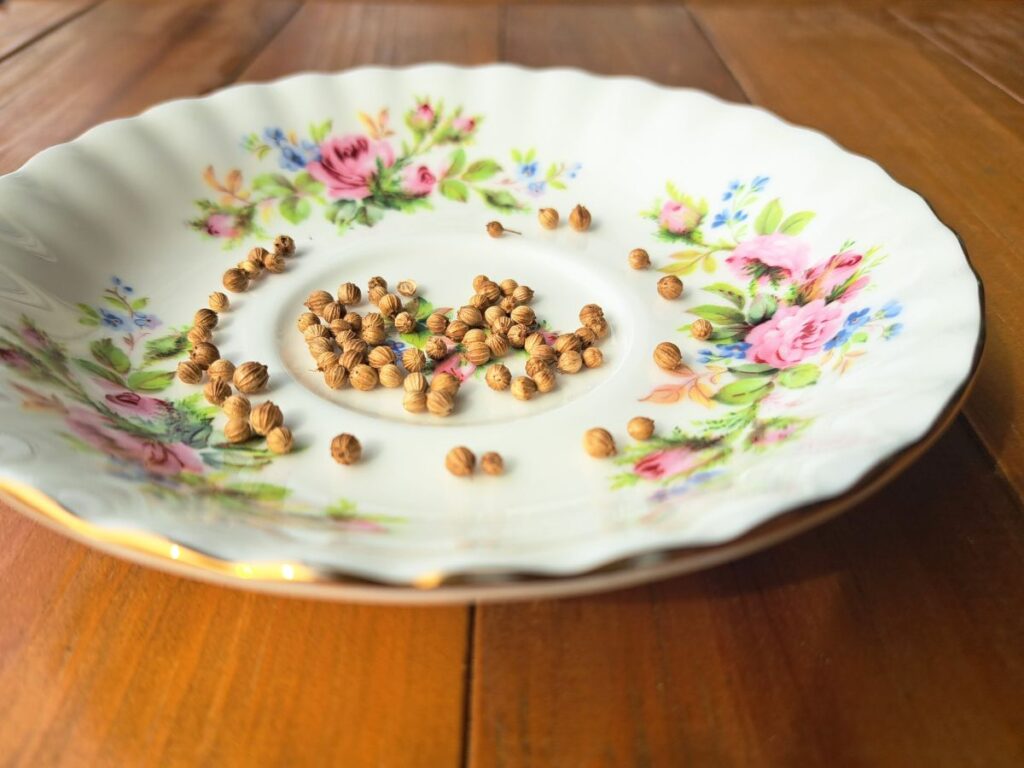
One big benefit is that you have much more choice in variety. This is especially useful with cilantro as you can find a variety that will be slower to bolt like ‘Calypso Cilantro‘ which is said to be 12-21 days slower to bolt.
Another benefit is you can grow cilantro any time of year, and you do not need to rely on a garden center for plant starts. This is especially good if you are growing cilantro indoors, or outdoors in the fall season.
You will save money by growing cilantro from seed. It is cheaper than buy a potted herb plant, and you will see even more cost savings when compared to buying fresh cut herbs from the grocery store.
Growing Cilantro from Seed Indoors:
Cilantro is a great choice for an indoor herb garden, or you an also learn how to sow cilantro seeds indoors so you can get a head start on the growing season before moving your plants outside.
I like to start my seeds indoors no matter what because I have more control with the growing conditions. I can keep a closer eye on my plants, remember to water them when they are young, and not worry so much about he soil drying out int he sun.
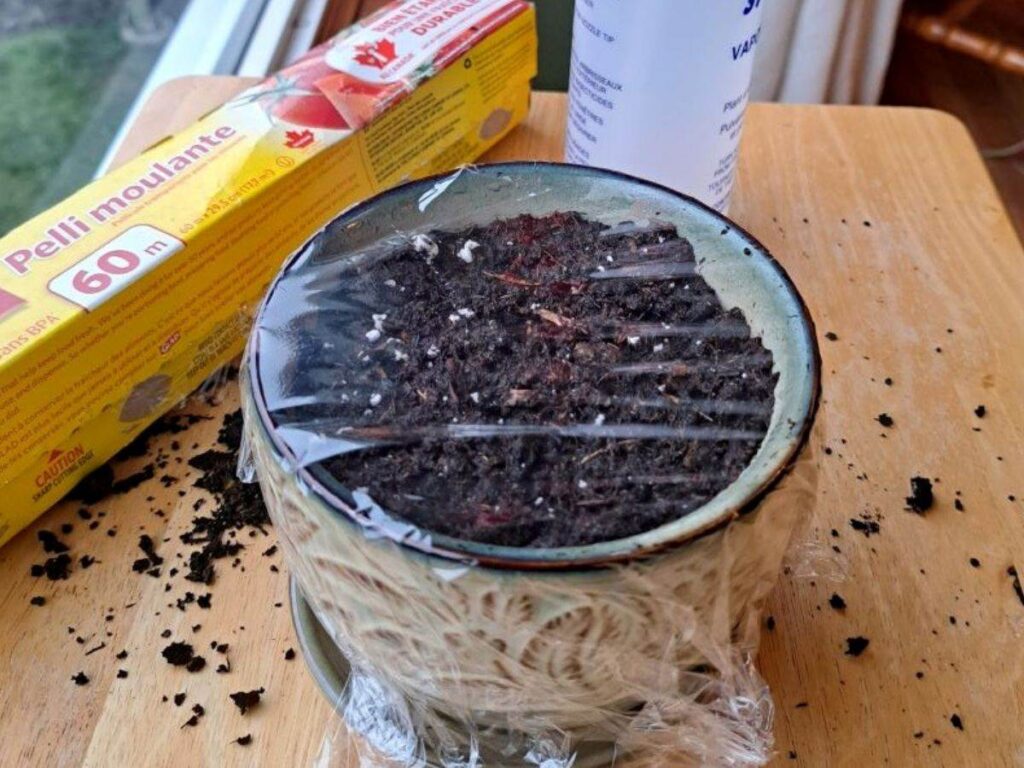
You can start cilantro seeds any time of the year if you are going to be growing them in an indoor herb garden. The sooner the better in that case.
If you plan to start cilantro seeds indoors and then move them outside, then I would start them about three weeks before you want to move them to the great outdoors.
Cilantro does not require any special pieces of equipment to grow indoors. The main thing you will want is a good grow light – especially if you will be growing your cilantro indoors long term.
Materials Needed:
- Cilantro Seeds
- Potting mix
- Seed starting pot or tray
- Small watering can or spray bottle
- Grow lights or a bright south facing window
Steps:
- Pre-moisten your soil
- Fill your pot or seed starting tray to about a 3/4 inch from the top of the container
- Sprinkle seeds across the surface of the soil
- Cover the seeds with 1/2 inch of soil
- Water the soil so it settles in nicely around the seeds
- Place some plastic wrap over the pot or tray to lock in the moisture and set in a warm spot in your home
- Once you see sprouts, remove the plastic wrap and place them under a grow light
Check your sprouts each day to see if they need water. If you notice the soil feels dry, is lighter in colour, or the container feels less heavy you will want to water.
It is very important not to overwater at this stage. The soil should be moist but not soggy. Your baby cilantro will require a little less water at each watering when compared to a mature plant.
When you have passed your last frost date, harden off your seedlings if you plan on moving them outside. Do this by taking them outside for about 1 hour, and then slowly increase the time each day. I usually do this over a week or two.
Prepare a nice sunny spot in your garden by fluffing up the soil and adding some compost. Plant your seedlings after they have hardened off and temperatures are no longer dipping below freezing.
If you are growing your parsley in a kitchen herb garden, then make sure you have a good sized pot and just keep caring for them. Check out my complete guide to growing herbs indoors if you want more information on that.
Planting Cilantro Seeds Outdoors:
Some of the best cilantro I have grown has been when I started it outdoors in the early spring or fall. This is because it really thrives in cooler weather.
I like this method too because all you need is a good growing spot, some kind of cover in early spring and your seeds of course.
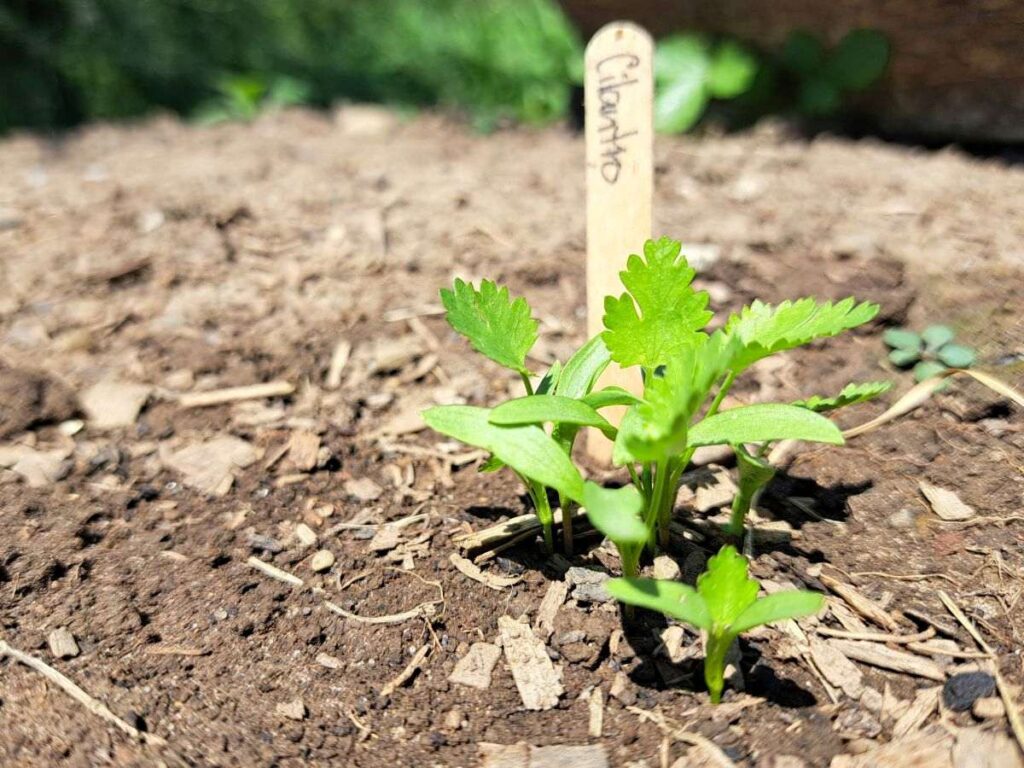
Choose a spot in your garden that gets sun, with some afternoon shade if possible. This will help your cilantro to stay a little cooler in the heat of the day.
I like to fluff up the soil with a rake, and water before I sow my seeds. Then plant as directed below and soon enough you will have plenty of cilantro for your next salsa recipe.
It is important to add a plant marker like a popsicle stick so you remember where you planted the seeds. This way you will not accidently pull out your sprouts thinking it was a weed… been there, done that. So sad.
You can also add a cover over the planting area to help hold in the moisture, but just make sure to take it off the second the seeds sprout so they can get the light. I find a wooden board works well for this.
Materials Needed:
- Cilantro Seeds
- Small hand rake
- Watering can or spray bottle
Steps:
- First choose a nice sunny spot and fluff up the soil with a hand rake
- Take a pinch of cilantro seeds and lightly sprinkle them across the top of the soil
- Add a very light layer of soil over the top of the seeds to cover them about a 1/2 of an inch and press down
- Water or mist over the top of the soil so it settles in nicely around the seeds
- Optional: add a cover over the seeds, such as a wooden board or glass container (be sure to remove at the very first sign of sprouts)
Continue to watch closely and water when needed.
If you covered the seeds to lock in soil moisture it is so important to check on them daily and remove the board as soon as you see sprouts. This way they can get the sun light and grow big and strong.
Once your cilantro gets growing, make sure to continue to harvest regularly so it does not bolt (go to seed).
Winter Sow Cilantro Seeds
Cilantro is an excellent herb to start by winter sowing. This is because it can handle and light frost, and germinates well in cool soil.
I love winter sowing because it is such a hands off way of gardening, and takes very little equipment. You will be starting cilantro seeds in an old jug that will act like a mini greenhouse providing warmth and keeping in moisture
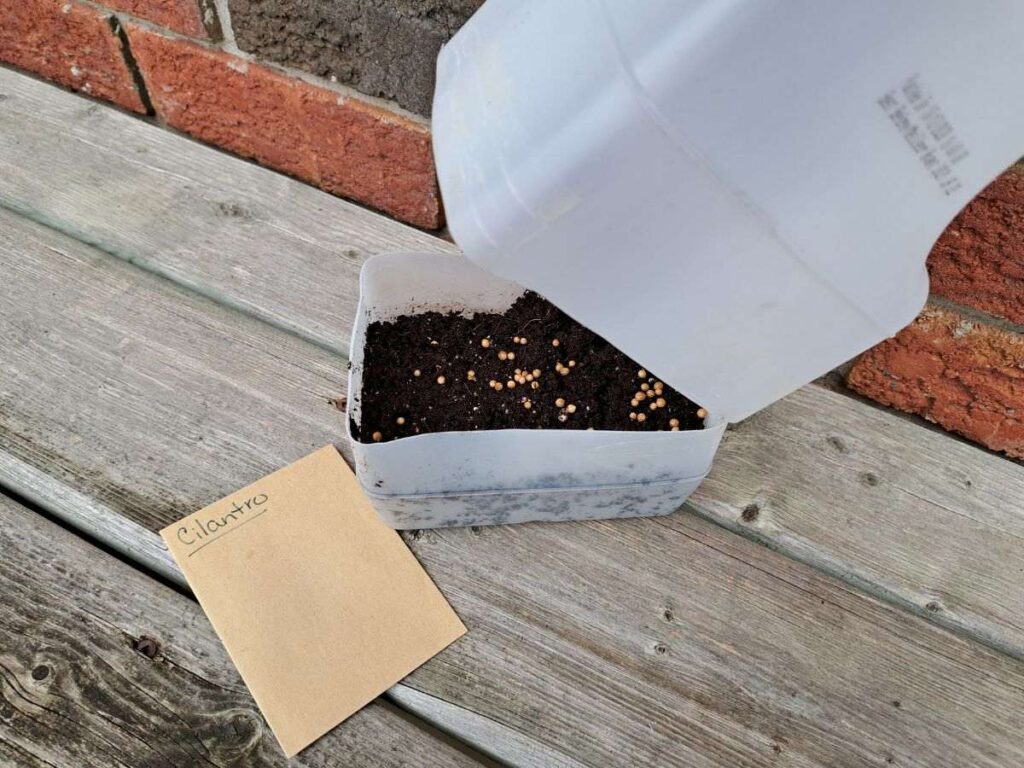
All you need to do is look through your recycling and find some old jugs to use. Such as vinegar, apple cider, water or some other large jug. You will not need any grow light with this method because you are just using the sun.
Another great thing about winter sowing is that you do not need to harden off your plants before planting in their final spot outside. This is because the seedlings have been getting used to the intensity of the sun since they first sprouted.
This method will take quite a bit of time before you see the seeds sprout, so I would start early. I usually do this in early March or late February in my area. When the conditions are right, your seeds will germinate.
Here is a list of everything you need and the steps to winter sow cilantro.
Materials Needed:
- large old plastic jugs (milk jugs/apple cider/water jugs)
- cilantro seeds
- potting mix
- duct tape
Steps:
- prepare your jugs by cutting around the base about 4 inches from the bottom or just below the handle, but don’t cut all the way around. Leave a small section at the handle to act as a hinge.
- Add some drainage holes to the bottom of your container with a nail and hammer or drill.
- Pre-moisten your potting mix first, then add some into the bottom of the plastic jug up to about a 1 inch from where you cut.
- Lightly sprinkle your seeds on the top of the soil.
- Add a thin layer of potting mix over top to cover the seeds about twice their width, gently press down, and water in.
- Take some duct tape and tape around the base where you made your cut so it is all nicely sealed.
- Leave your jug outside with the lid off in a spot that gets sun.
Your jug should get moisture from rain and snow, but still check on them once in a while to make sure the soil is staying moist.
In about 10-28 days (depending on the temperature), you should see your first sprouts. Your cilantro seeds will take the longest to sprout out of all the options mentioned in this article. Just have patience and they should sprout once the soil is warm enough for them.
Continue to care for your seedlings by watering them when needed.
When the weather warms up enough and there is no more threat of frost, and your seedlings look good and strong you can divide them up into small clumps and plant out in your garden, or in pots on your patio.
FAQs
1. How Do I stop Cilantro from Bolting?
There are a few ways to slow your cilantro from bolting. These include; choosing a slow to bolt or heat tolerant variety, planting your cilantro in a a spot that gets afternoon shade, growing cilantro in the spring and fall, and frequently harvesting to encourage new leaf growth.
Even by doing the above methods, your cilantro will still eventually bolt. So, it is important to succession sow. This way you will get a continual harvest throughout the summer.
2. How long does cilantro take to grow from seed?
It will take about 7 -8 weeks for cilantro to grow from seed. This will vary depending on the growing conditions (temperature and soil moisture), and the variety of cilantro you chose to grow.
3. Do i need to soak cilantro seeds before planting?
Cilantro seeds will benefit from being soaked overnight before planting. You do not have to do it, but it will speed up the germination time.
Another way to speed things along is to gently roll over the seeds to crack the outer seed coat (shell) before planting.
4. How many cilantro seeds do you put in one hole?
Cilantro can be sown either by gently covering the surface of the soil with a sprinkling of seeds and then dividing out the sprouts, or if you are planting in an individual plant cell or pot you can put 2-3 seeds per hole.
5. Why won’t my cilantro seeds germinate?
Your cilantro seeds may not be germinating, because the soil may not have the right moisture level – it should feel consistently like a damp sponge, but not soggy.
Your seeds may be too old, and you might want to look at buying some new ones.
You may just need to give them more time – it can take up to 10 days for you to see the first sprouts. If you are winter sowing, then expect them to take even longer to germinate.
Now it is your turn!
Well, those are all the details on the different methods of planting cilantro from seeds. I hope you feel inspired, and are ready to get out there and start planting!
Comment below with the method you are most excited to try.
Until next time!
Leave a Reply